Community accountable research strives to uplift lived experiences, understand gaps in healthcare, and create pathways that repair and fulfill care expectations. It lives within the the legacy of research justice and is in kinship to liberatory research praxis, community-accountable research.

In the legacy of research justice and liberation research praxis, community-accountable research aims to…
01.
Redistribute power and uplift the wisdom and ways of knowing of marginalized communities
02.
Require critical self-reflection, accountability for harm, and personal transformation for researchers
03.
Create pathways for reconciliation and repair within the research process
…within community-based organizations and amongst in(ter)dependent scholars
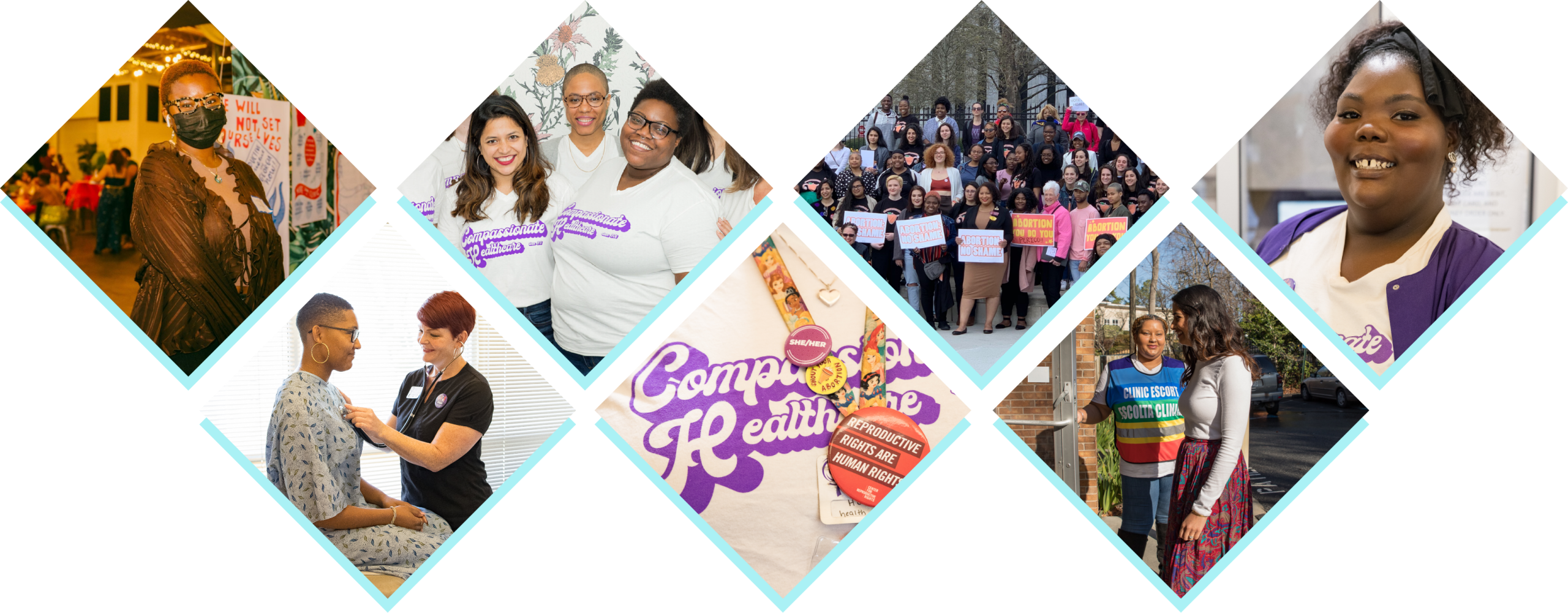
Within clinical and public health disciplines, there has been growing interest in community-engaged research. However, as this work has become more fundable within academic institutions, community-based organizations and independent scholars often face disadvantages in capacity, infrastructure, technical expertise, and legal protections needed for equitable research partnerships.
Community-based and reproductive justice organizations are also chronically underfunded to initiate or lead research projects. This creates environments where coercion, exploitation, epistemological theft, and the reproduction of white supremacy and other inequitable practices can occur — even when equity is the stated goal.
Community-accountable research builds on the legacy of research justice and liberatory research framework.
Instead of communities being subjects of research, they become collaborators, leaders, and decision-makers throughout the research process.
This approach:
Within clinical and public health disciplines, there has been growing interest in community-engaged research. However, as this work has become more fundable within academic institutions, community-based organizations and independent scholars often face disadvantages in capacity, infrastructure, technical expertise, and legal protections needed for equitable research partnerships.
Community-based and reproductive justice organizations are also chronically underfunded to initiate or lead research projects. This creates environments where coercion, exploitation, epistemological theft, and the reproduction of white supremacy and other inequitable practices can occur — even when equity is the stated goal.
Community-accountable research builds on the legacy of research justice and liberatory research framework.
Instead of communities being subjects of research, they become collaborators, leaders, and decision-makers throughout the research process.
This approach:
Feminist Center is uniquely positioned to conduct community-accountable research.
50 Years of Reproductive Health Work
For nearly 50 years, Feminist Center has been a trusted community source for reproductive healthcare, information, support, and advocacy.
Trusted Community Resource
Our organization has deep relationships with the communities we serve and centers those relationships in our research process.
Independent Research
Because we are not reliant on government funding streams, we are able to conduct research without political influence and maintain our commitment to reproductive justice.
We invited community members, patients, clients, and Feminist staff to identify ways the organization was not fully meeting its reproductive justice mission.
Participants discussed gaps in care and prioritized areas where improvements were needed.
Participants represented three areas of care:
Focus groups were:
Feminist designed its postpartum services based directly on the experiences, needs, and ideas of community members and birth workers.
Focus groups included:
Community feedback informed the development of a postpartum care program including:
Feminist served as a site for the original clinical trials studying medication abortion.
The study examined the safety and effectiveness of a combined regimen of Mifepristone and Misoprostol for medication abortion under 10 weeks of pregnancy.
This research helped establish medication abortion as a safe and effective option used worldwide today.
Each research project highlights:
Research methods, participant involvement, and community engagement practices.
Important insights gathered from participants and research analysis.
How the research informed services, policy understanding, or organizational change.
The FemPAC project laid the foundation for the creation of a Community Accountability Board (CAB).
The CAB will be an ongoing, compensated panel made up of community members and Feminist staff who previously participated in research initiatives.
The board will convene regularly to:
If you’re interested in joining our first CAB, contact us at [email protected]
Feminist also participates in collaborative research with academic partners.
Abortion Restrictions and High-Risk Pregnancies in Georgia (2025)
This study explored the barriers faced by people with high-risk pregnancies seeking abortion care after the implementation of Georgia’s abortion ban.
Researchers conducted interviews with 19 Georgia residents experiencing high-risk pregnancies.
Key findings included:
Perspectives on Early Abortion Bans in Georgia (2023)
Researchers interviewed residents of Georgia’s 6th congressional district to understand public perspectives on abortion restrictions.
Participants held complex and nuanced views on abortion and often separated personal beliefs from restricting access for others.
Many participants were unaware of how abortion bans could significantly reduce access to care.

There are several ways to participate in or support Feminist’s research efforts.
Join Our Research Community
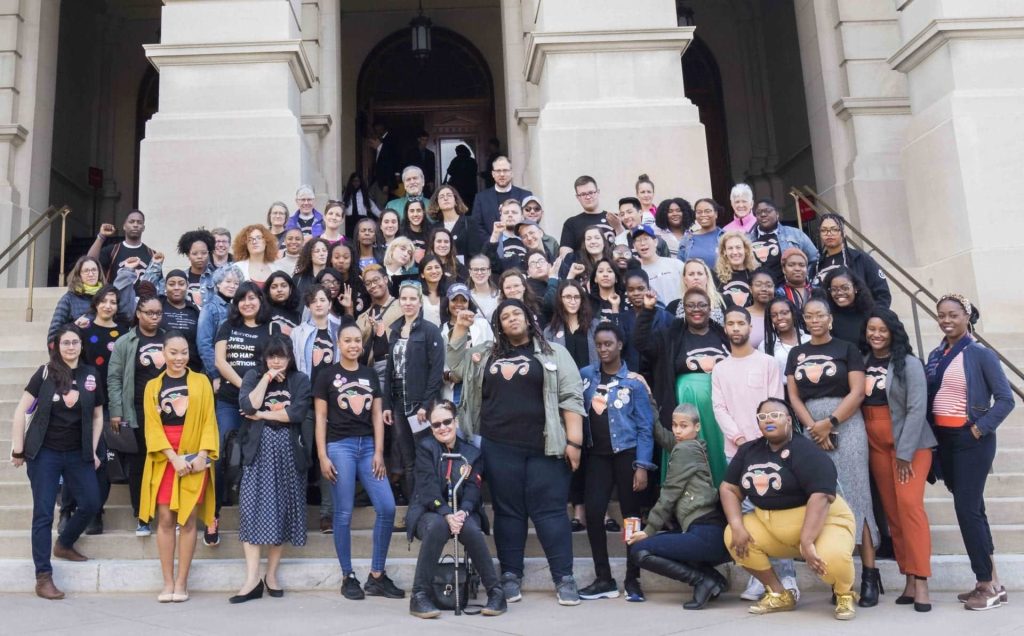
Community members, students (16+), advocates, and people interested in research are invited to participate.
Research
Partnerships
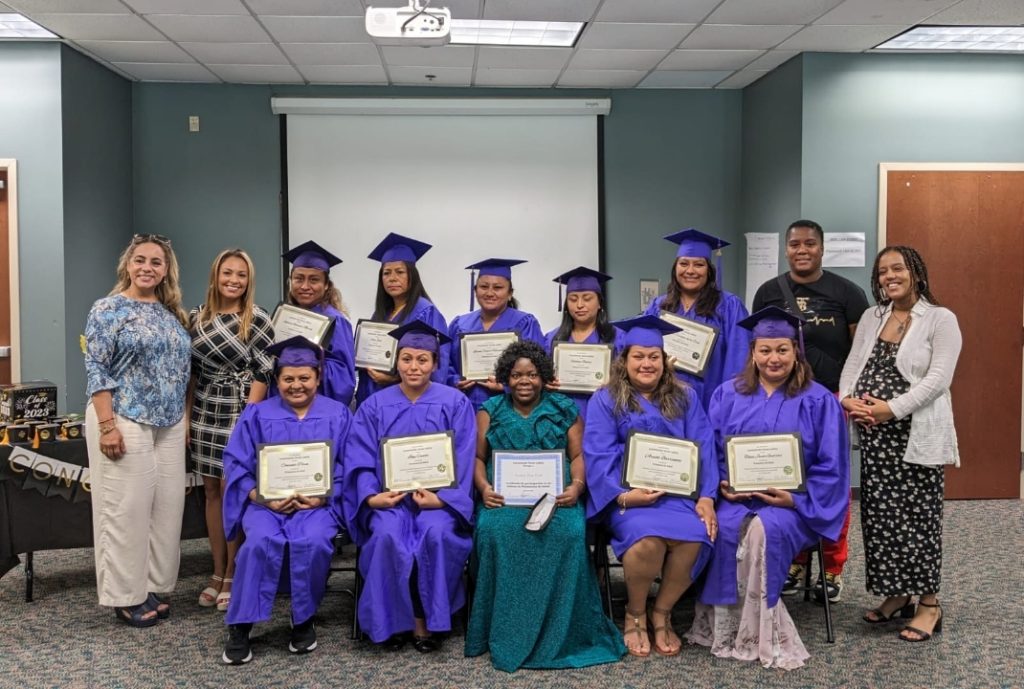
Researchers and scholars interested in collaborating with Feminist can submit project proposals.

Participate in Research Studies
Individuals may join the participant pool to be contacted about future research opportunities.

Support Community Research
Donations help fund community-accountable research efforts, including participant compensation, community advisory boards, and equity-focused research initiatives.
Research Contact: [email protected]